Article: Simulator Venue Ideas for 2026: Racing, Flight and Golf Experiences That Can Drive Repeat Visits
Simulator Venue Ideas for 2026: Racing, Flight and Golf Experiences That Can Drive Repeat Visits
A simulator venue should not be planned around hardware alone. Repeat visits come from clear experiences, reliable bays, simple staff workflows and a mix of racing, flight or golf that fits the business model.

Start with the reason people return
A commercial simulator venue is not successful because it owns impressive equipment. It succeeds when people understand the experience, enjoy it quickly and have a reason to come back. That may be leagues, coaching, memberships, corporate events, date nights, training sessions, content creation or premium demos. Hardware matters, but repeat visits come from the offer around the hardware.
ElitePlay’s Commercial Simulator Solutions page is the correct starting point because venue projects need a business model first. The product list should follow the experience plan, not the other way around.
Racing bays for instant excitement
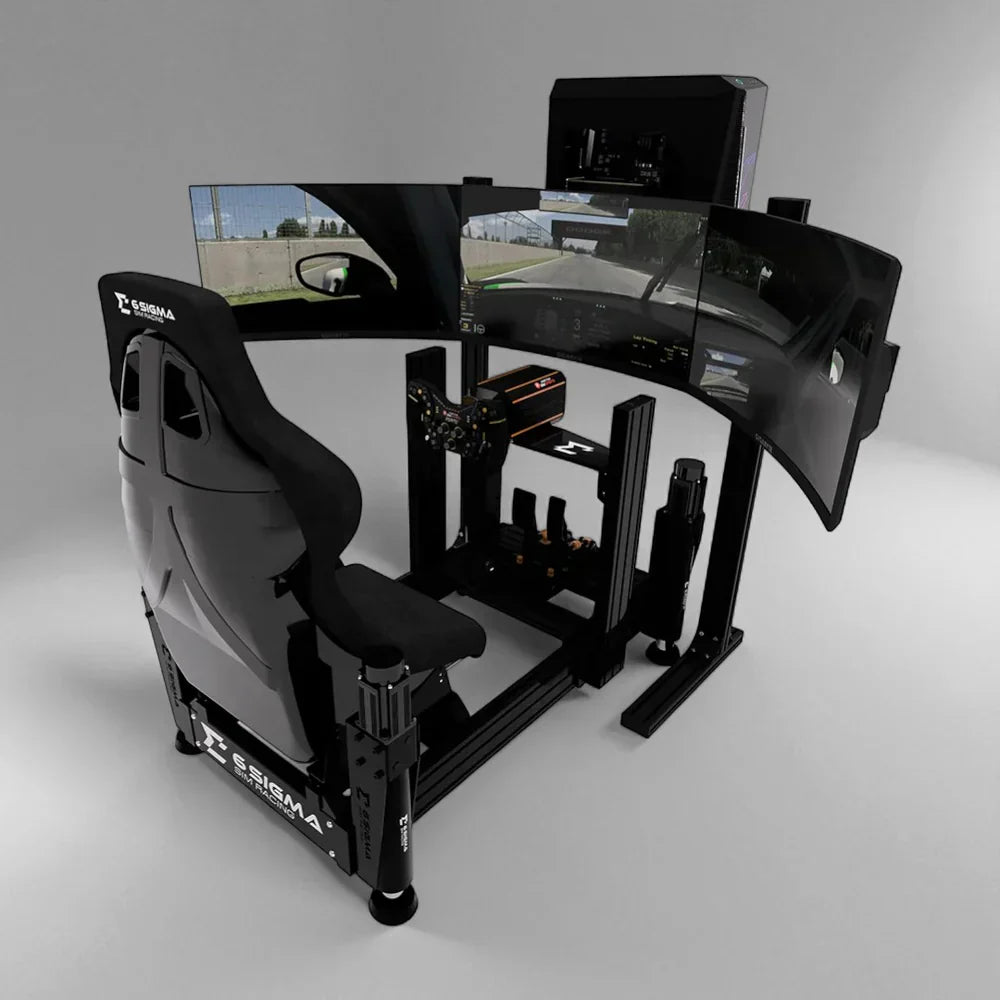
Racing simulators are easy for customers to understand. The visual language is immediate: seat, wheel, screen, pedals and a car on track. That makes racing a strong venue option for entertainment spaces, showrooms, hospitality areas and events. It can work as a casual attraction or a more competitive league product.
A venue can use static rigs for reliable throughput and reserve motion systems for premium sessions. Products in the Racing Simulators collection, plus add-ons such as the Motion Platform V3, should be compared by reset speed, durability and supervision needs as much as by immersion.
Golf bays for lessons, leagues and private events
Golf simulator venues can drive repeat visits because they support practice, lessons, virtual rounds, leagues and social bookings. Indoor golf also works when weather or daylight makes outdoor play harder. National Golf Foundation research has tracked major growth in simulator and screen golf participation since 2019, which makes golf a serious commercial lane rather than a novelty.
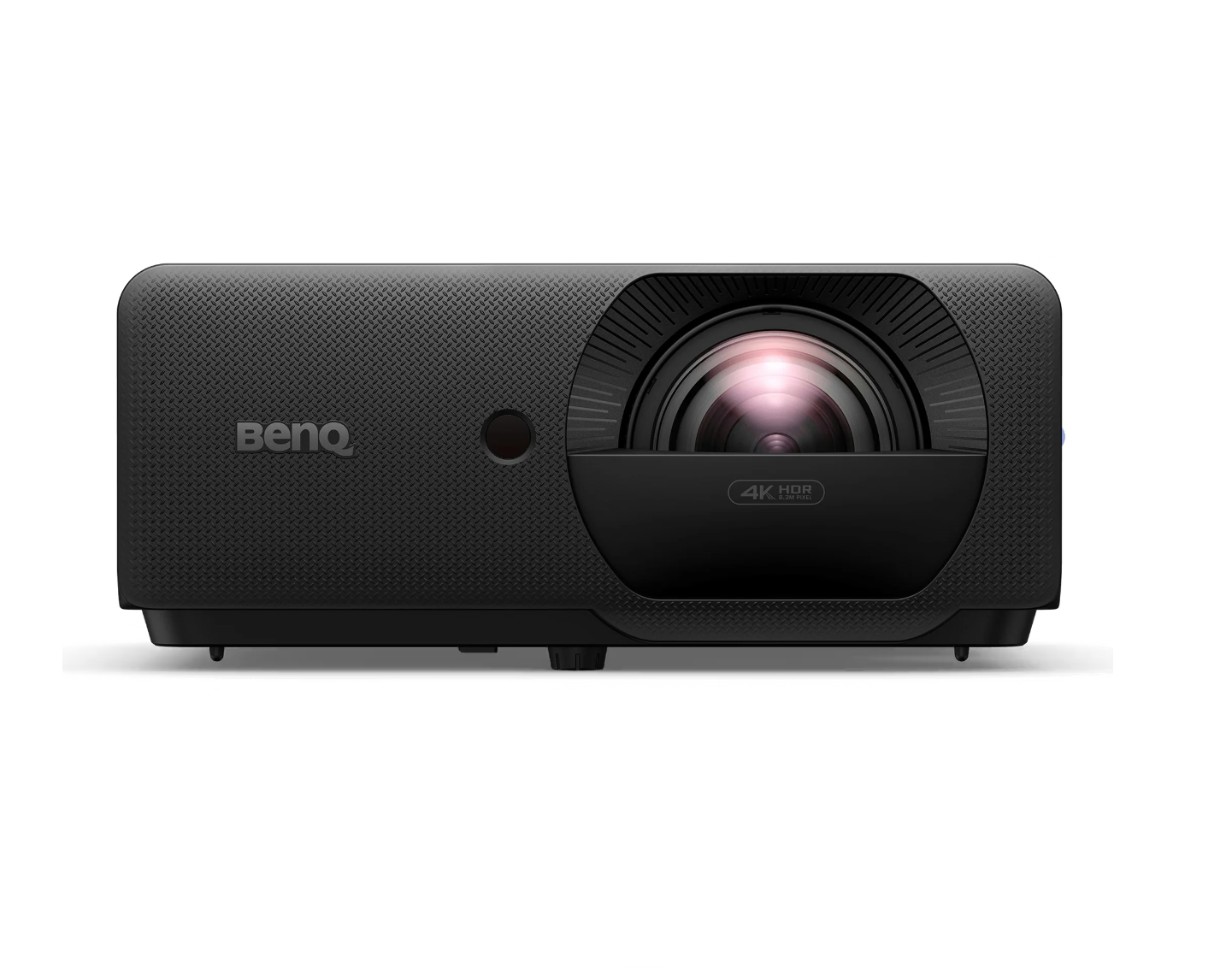
A golf venue must be planned around safety and comfort. The Golf Simulators collection, Pro Golf Enclosures, Launch Monitors, hitting surface and projector need to feel like one bay. A customer should not notice the hardware complexity; they should notice that the session works.
Flight experiences for premium and training-adjacent markets
Flight simulator venues can serve enthusiasts, aviation students, corporate groups and premium experience buyers. Aviation demand and pilot-training discussion keep flight simulation relevant, but commercial language matters. A venue should be clear about whether the experience is entertainment, familiarization, procedural practice or approved training support.
Products such as the RSG G1000 Package and RSG Cirrus Cockpit can give flight experiences a stronger cockpit identity. The buyer should decide whether the venue is selling scenic flying, challenge missions, coaching, training support or an aircraft-specific experience.
One hero attraction or several repeatable bays
Many venues are tempted to buy one dramatic hero simulator. That can work for a showroom, content studio or premium demo room. But a venue that sells sessions often needs repeatable capacity. Several reliable bays may create more revenue and fewer bottlenecks than one spectacular machine that only one person can use at a time.
A hybrid model can be strong: one premium motion racing or flight experience as the marketing anchor, then several more accessible racing or golf bays for repeat bookings. The hero creates attention; the reliable bays create schedule capacity.
Design the staff workflow before buying
Staff workflow is where many venues expose weak planning. Who greets the customer? Who starts the software? Who explains controls? How does a session reset? What happens when a user is too short, too tall or unfamiliar with the equipment? What is the process if a wheel, projector or launch monitor needs attention?
Commercial simulator bays should be simple enough for staff to operate repeatedly. Adjustable components should be fast. Cables should be protected. Emergency stops and safety instructions should be obvious where motion is involved. The best venue hardware is the hardware the team can run confidently every day.
Build offers around customer types
A venue can sell different experiences to different customers using the same core equipment. Racing can support hot-lap challenges, leagues, coaching, team-building and private parties. Golf can support practice memberships, lessons, simulator leagues and corporate bookings. Flight can support discovery sessions, procedural coaching and premium experience packages.
The offer should be visible before the customer arrives. A vague simulator room is harder to sell than a clear thirty-minute racing challenge, a two-hour golf bay booking or a guided flight experience. Hardware becomes easier to monetize when the customer understands the product.
Plan durability, support and expansion
A commercial setup should be built with maintenance and expansion in mind. If the first location works, can the setup be copied? If one bay is down, can the venue still operate? If demand grows, can more bays be added? These questions are why venue buyers should use Custom Builds and Installation rather than trying to solve everything from individual product pages.
The goal is not simply to open with impressive hardware. The goal is to run the simulator experience repeatedly without the business feeling fragile. That requires durable choices, protected layouts, staff training and a quote that reflects the operating model.
How to use this guide before buying
Use this article as a planning tool before you compare individual products. The most useful next step is to write down the room size, the user type, the main goal and the budget range. That information will tell you whether to shop a listed product, browse a collection, use Find My Simulator, or send a more detailed request through Contact.
The best simulator purchase usually has a clear order of decisions. First, confirm the room. Second, choose the discipline and experience level. Third, decide whether the setup should be permanent, semi-permanent or flexible. Fourth, check the hardware path against future upgrades. That order prevents the common mistake of buying the exciting component first and then discovering that the room, frame, screen or workflow cannot support it.
If this is a normal home purchase, start from Commercial Simulator Solutions and compare the options against the room. If the project includes installation, commercial use, unusual dimensions, multiple simulator types or a premium finish, it is usually better to start from Custom Builds and Installation so the build can be treated as a complete environment.
Questions to answer before requesting a recommendation
- What exact space is available, including width, depth and ceiling height?
- Who will use the simulator most often, and how experienced are they?
- Does the setup need to be moved, shared or reset between users?
- Which part of the experience matters most: realism, training value, entertainment, speed of setup or visual impact?
- What equipment is already owned, and what must be included from day one?
- Is there a future upgrade path for motion, better controls, stronger screens, software or commercial operation?
- Will the simulator be self-installed, installed with help, or planned as a full custom project?
A practical comparison method
When two options both look good, stop comparing every specification equally. Rank the criteria that will change the experience. A racing buyer may rank cockpit rigidity and pedal position above maximum torque. A flight buyer may rank control layout and visual field above decorative cockpit detail. A golf buyer may rank measurement reliability and room fit above the flashiest software feature. A commercial buyer may rank reset speed and durability above the most advanced single-user configuration.
Price should also be compared as a system cost. A lower-priced product can become the more expensive route if it forces a later rebuild, needs extra mounting hardware, or cannot grow into the intended setup. A higher-priced package can be better value when it removes uncertainty and gets the buyer closer to the finished simulator. ElitePlay’s strongest product paths are the ones that make the total setup easier to understand, not just the product page easier to read.
When to stop researching
Research is useful until it starts repeating the same uncertainty. If the buyer keeps asking whether the room will fit, whether the components work together, whether the setup should be turnkey or custom, or whether an upgrade can happen later, that is the point where a guided recommendation is more valuable than another browser tab. Simulator builds are too room-specific for every answer to come from generic comparisons.
The simplest message to send is: room dimensions, photos, main goal, budget range, products under consideration and any must-have features. With that context, ElitePlay can point the buyer toward Commercial Simulator Solutions, a specific product, or a custom quote route.
Budget planning: spend where the user will feel it
The cleanest budget is not always the lowest hardware total. It is the budget that puts money into the parts the user will notice every session. For this topic, that usually means prioritizing the foundation, measurement, controls, screen plan, installation fit and upgrade path before adding decorative extras. A setup can look premium in photos and still feel frustrating if the core experience is not stable, clear or easy to start.
Think of the purchase in layers. The first layer is the room: space, ceiling height, power, lighting, cable routes and access. The second layer is the experience hardware: cockpit, enclosure, monitor, projector, controls or motion depending on the discipline. The third layer is the software and operating routine. The fourth layer is future expansion. When a buyer understands those layers, the price conversation becomes more useful because every dollar has a job.
For many ElitePlay customers, the right path is not to buy everything possible on day one. It is to buy a strong first version that does not block the second version. A racing customer may start with a rigid cockpit and direct-drive-friendly frame before motion. A flight customer may start with the right control layout before adding a larger visual system. A golf customer may start with the correct launch monitor and enclosure geometry before upgrading the room finish. A commercial customer may start with fewer bays that are easier to operate before adding capacity.
Installation and setup realities
Installation should be considered before checkout, especially when the simulator involves heavy frames, large screens, motion platforms, projectors, commercial bays or multiple users. The question is not only whether the product can be assembled. It is whether the final setup will be clean enough to use often. Cable paths, PC location, power access, ventilation, screen alignment and walking space all affect the daily experience.
A buyer planning self-installation should confirm the delivery route, tools, available help and setup time. A buyer planning a premium room should think about the finished space: how the simulator looks when not in use, how easy it is to clean, whether guests can understand it, and whether the hardware feels intentionally placed. Commercial buyers should go further and plan staff access, customer instructions, reset time, maintenance checks and what happens if one component needs support.
This is why Custom Builds and Installation matters even for shoppers who begin on a product page. The more the simulator has to fit a specific room or business workflow, the more valuable a planned recommendation becomes. A strong quote is not only a price. It is a way to remove unknowns before the equipment arrives.
How this article should connect to the rest of the store
Use this guide as one step in a buying path rather than a final isolated answer. If the buyer is still deciding what kind of simulator they need, start with Find My Simulator. If the discipline is already clear, move into the most relevant collection and compare product routes there. If the room is unusual, the budget is high, or the project needs installation support, use the contact or custom-build route before narrowing to a single product.
The internal links are there to keep the buyer moving without forcing them into a dead end. A guide should help someone understand the decision, then take the next step naturally. For this article, the main next step is Plan a commercial simulator project. From there, the buyer can compare specific products, send details, or ask ElitePlay to turn the requirements into a more complete recommendation.
Red flags that mean the buyer needs help
- The room dimensions are close to the minimum and there is no clear access space.
- The buyer is comparing premium products but has not chosen a screen, cockpit, enclosure or control layout.
- Several people will use the simulator and adjustment speed has not been considered.
- The setup may become commercial later, but the first purchase is being planned like a single-user home build.
- The buyer wants future motion, better displays, a stronger launch monitor or a second simulator bay but has not checked compatibility.
- The product looks right online, but delivery route, ceiling height, power or mounting are still unknown.
- The budget is fixed, but the must-have outcome has not been named.
Any of those red flags should slow the buying decision in a useful way. They do not mean the project is wrong. They mean the recommendation needs more context. A quick conversation can prevent a mismatch and usually makes the final choice easier for the customer.
What a strong final decision looks like
A strong final decision can be explained in one or two sentences. For example: this setup fits the room, gives the main user the experience they want, leaves a realistic upgrade path and does not create avoidable installation problems. If the buyer cannot explain the decision that simply, there may still be too many open variables.
The aim is confidence. The buyer should know why this route makes sense, what it includes, what it does not include, and what can be upgraded later. That clarity is what turns a simulator from an exciting purchase into a long-term part of the home, training space or business.
Final review before checkout or quote request
Before the buyer commits, it is worth doing one final review in plain language. Confirm the product or package, the room it will live in, the main reason it is being bought, and the first upgrade that might happen later. Then check whether every part of the route supports that plan. If any answer feels vague, pause and ask for guidance rather than trying to force the purchase through.
This final review is especially useful for premium simulator projects because the biggest risks are rarely hidden in the product title. They are hidden in fit, workflow, expectations and future compatibility. A few extra minutes spent checking those details can prevent a buyer from choosing a product that is technically strong but not right for the way the simulator will actually be used.
Next step
Browse Plan a commercial simulator project, use Find My Simulator for a guided route, or send the room details through Contact if the project needs help before buying.
Sources and 2026 market context
This guide was written in June 2026 and uses current market signals, simulator-buying research and ElitePlay product routes.